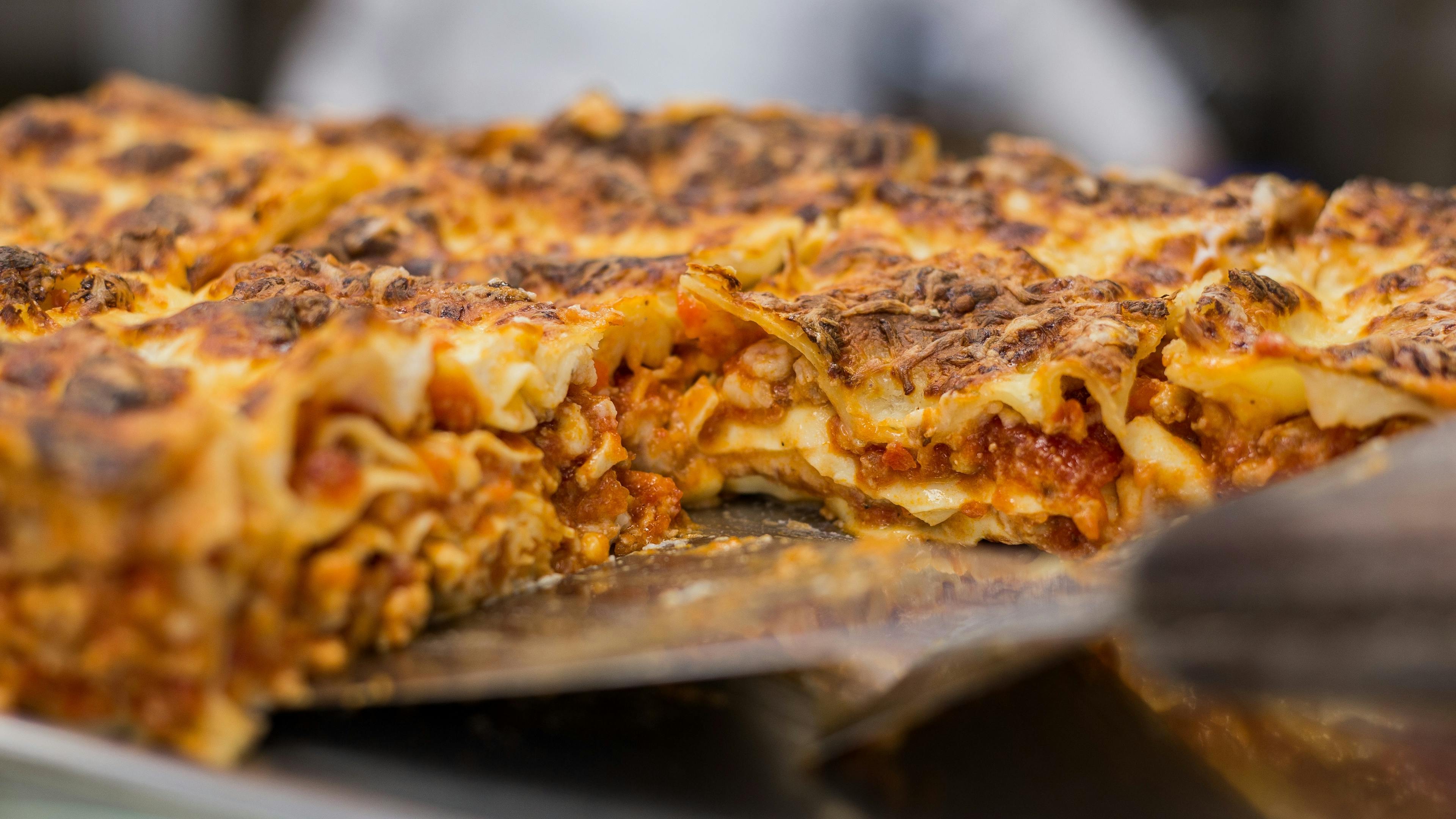
Rustic, rich, and bold. Vincisgrassi are more than just a dish—they’re a layered tale of Marche’s culinary identity. This sumptuous baked pasta, reminiscent of lasagna but with a deeper, more territorial soul, has long been a star of Sunday lunches, family gatherings, and village festivals, like the beloved “Sagra de li vincisgrassi cotti su lu furnu a legne”, held every June in Monte Urano, in the province of Fermo.
Behind this dish lies a fascinating blend of legend and history. Some say the name comes from an Austrian general, Windisgraetz (or Windish Graetz), who defended Ancona against Napoleonic forces in 1799. But written records of the recipe predate that by decades, appearing as “Lasagne in Princisgrass” in 1776, in "Il cuoco maceratese", a cookbook by Antonio Nebbia. Fittingly, the original version comes from Macerata and was made with fine, noble ingredients.
Recognized as a Traditional Guaranteed Specialty, Vincisgrassi are far from just a regional take on Emilia-style lasagna. Their ragù is a celebration of complexity: an aromatic mix of coarsely chopped meats, often including chicken giblets, scented with bold spices like nutmeg and cloves. The dish is layered with a firmer béchamel for added creaminess and structure, and, of course, plenty of grated Parmigiano. Seven, that’s the magic number: tradition insists there be exactly seven layers of egg pasta, giving rhythm and depth to every bite.
Every family guards its own version of Vincisgrassi. None are quite the same, yet each tells the same story: one of home, celebration, and regional pride. And now, it’s time to make them together.

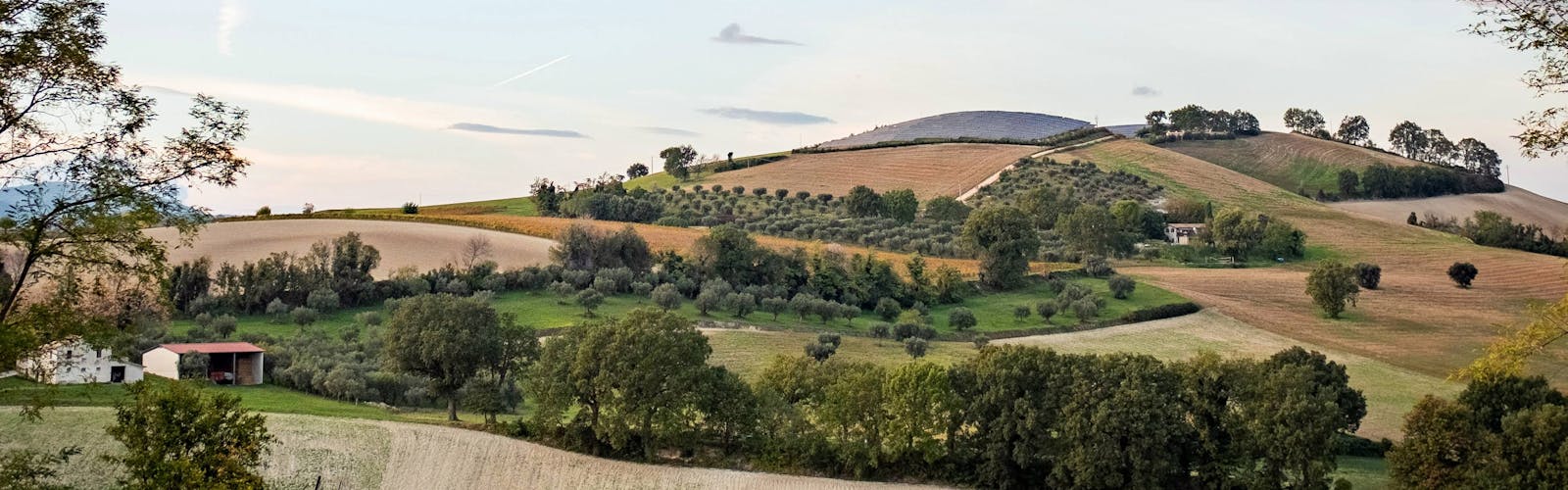
The authentic flavors of Le Marche with Cesarine
Discover Le Marche through enogastronomic experiences in Macerata, Ancona, Ascoli Piceno, and many other locations: cooking classes to learn how to make the most typical dishes, lunches and dinners, tours of local markets and wineries with tastings of the finest wines. A journey through authentic flavors and timeless traditions.
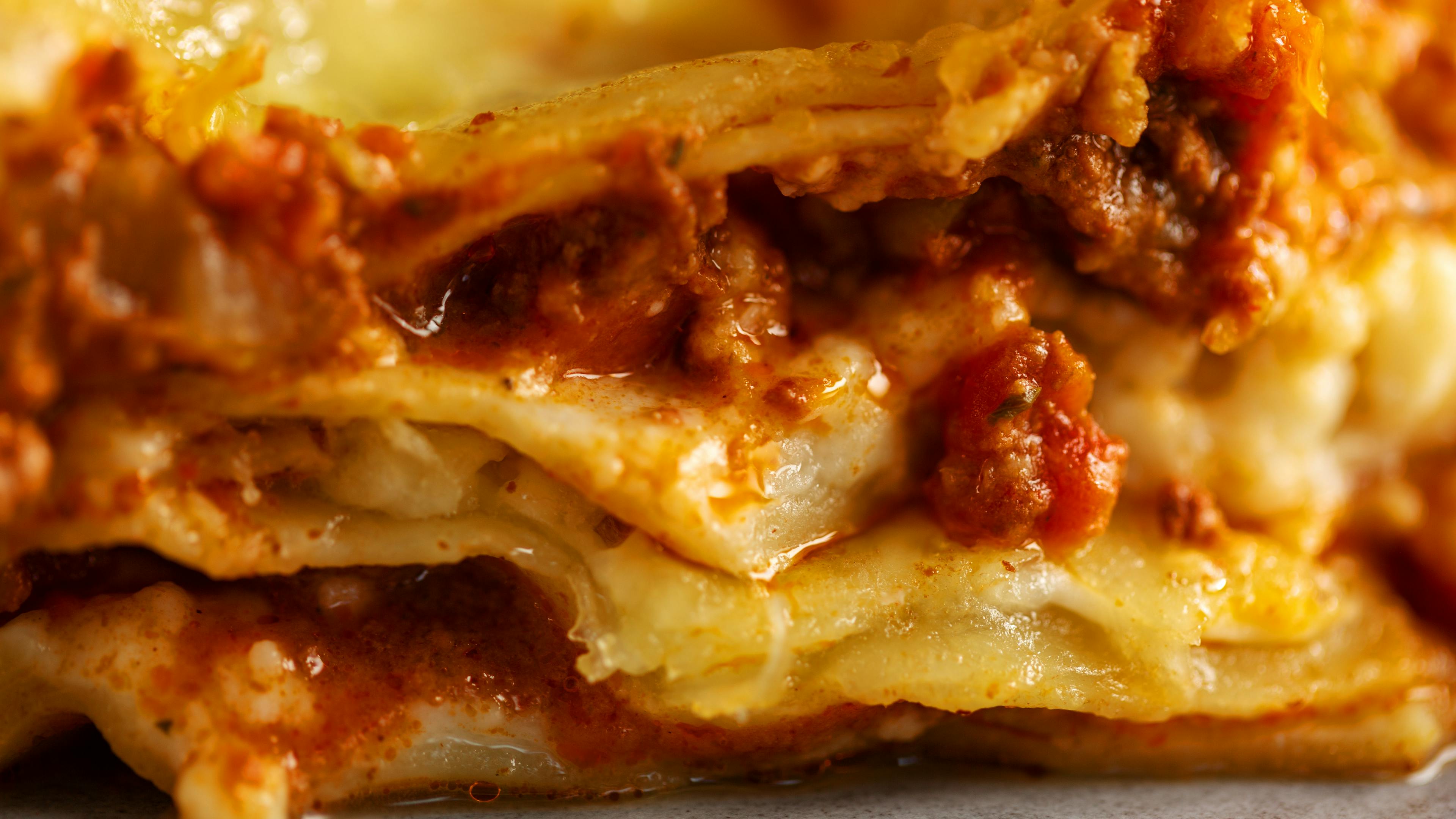
Vincisgrassi
A signature dish from Le Marche, rich and unmistakably flavorful
DifficultyEasy
Preparation time45m
Cooking time30m
Servings4
€
CostLow
Ingredients
- For the pasta dough:
- 3 eggs
- 60 g semolina
- 240 g durum wheat flour
For the sauce:- Extra virgin olive oil to taste
- 1 celery stalk
- 1 carrot
- 1 onion
- 1 slice of cured pork lard
- Some bones (preferably chicken, pork, and beef)
- 200 g chicken giblets
- 300 g mixed ground meat (veal, turkey, pork)
- 300 g beef tendons
- Salt to taste
- Marjoram to taste
- Chili pepper to taste
- ½ bottle of tomato purée
- Two knobs of butter
For the béchamel:- 80 g butter
- 8 tablespoons flour
- 1 l milk
- Salt to taste
- Nutmeg to taste
Method
For the pasta dough:
- On a pastry board, make a well with the flour, then add the eggs and semolina in the center.
- Knead all the ingredients together and roll out a fairly thin sheet of dough. On the final roll with the rolling pin, cut the dough into rectangles and lay them on a kitchen towel.
- Let them dry, covering with another towel.
For the sauce:
- Sauté the chopped vegetables and cured pork lard in olive oil, add the bones, giblets, and other meats, season with salt, marjoram, and chili pepper.
- Once cooked, remove the bones and finely chop the giblets.
- Put everything back into the pot with the tomato purée and a knob of butter, and simmer over low heat.
For the béchamel:
- Melt the butter in a saucepan. Add the flour and stir until golden brown.
- Gradually add the hot milk and cook until thickened. Once done, add salt and nutmeg.
Assembly:
- Grease a baking dish with butter and place the first sheets of pasta, already boiled in salted water for a few minutes, cooled in cold water, and dried.
- Layer each sheet with the prepared sauce and grated Parmigiano Reggiano. Continue until the dish is nearly full.
- The final pasta layer should be topped with béchamel.
- Bake in the oven (preferably wood-fired) at 200°C for about 30 minutes.
Layers of deliciousness
Layers of pasta, rich sauces, and melted cheese come together in a perfect harmony of flavors. From traditional recipes to hands-on cooking experiences, discover the art of crafting authentic lasagna with passion and skill in our local homes.
5 (3)
Cooking classes
Lasagna, what goodness!Hosted by Barbara
Bari
€102 per guest
Shared Experience
4.9 (27)
Cooking classes
The art of homemade lasagna: an authentic experienceHosted by Maria Luisa
Modena
€113 per guest
Shared Experience
5 (45)
Cooking classes
Classic lasagna and wine: a unique dining experienceHosted by Clara
Piano di Sorrento
€92 per guest
Shared Experience
5.0 (56)
Cooking classes
Homemade lasagna: my mom's recipeHosted by Silvia
Lucca
€151 per guest
Shared Experience