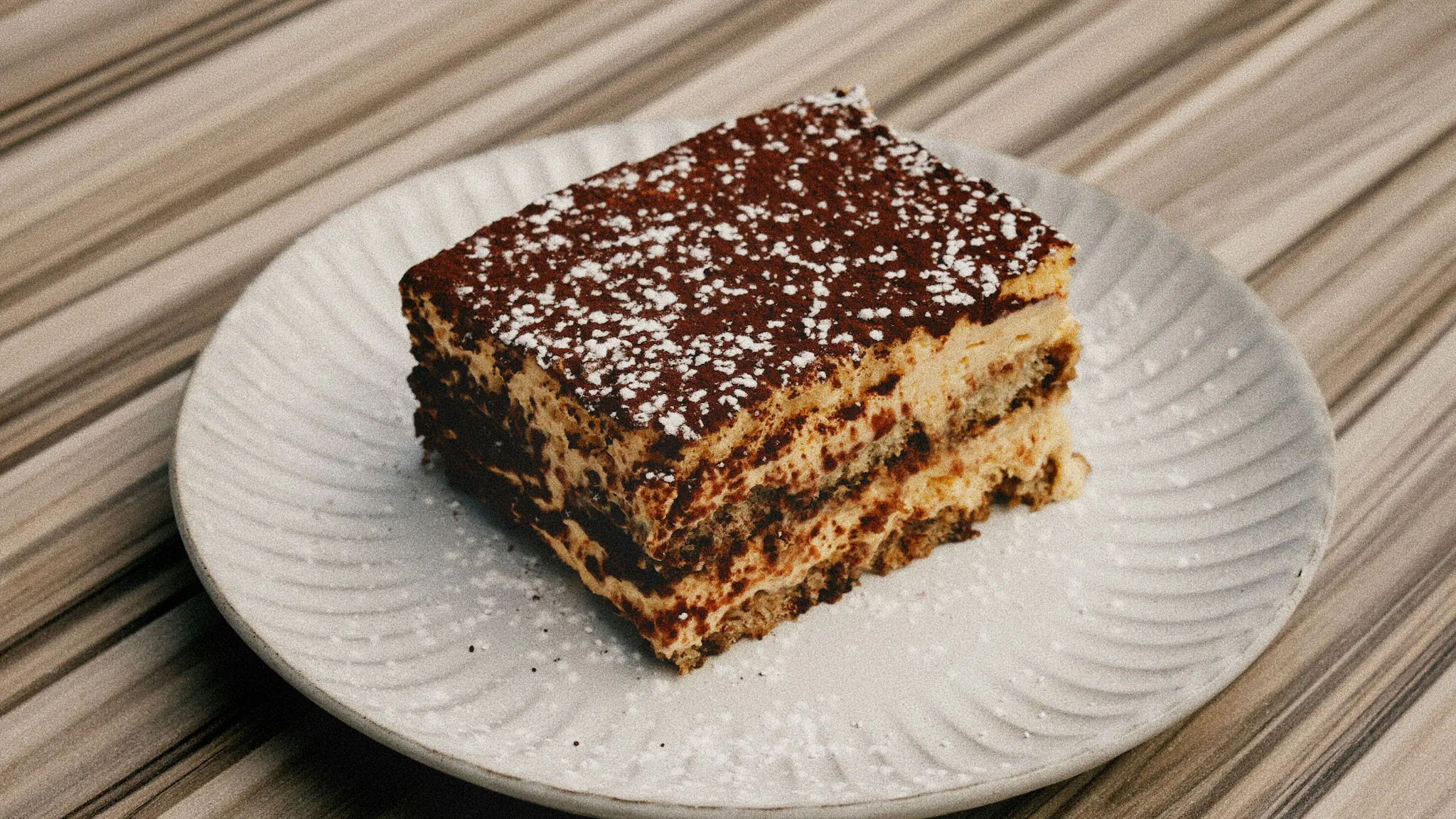
The word “tiramisù” comes from the Venetian expression “tireme su,” which literally means “pick me up” or “lift me up.” This name perfectly describes the original effect the dessert had on diners: a boost of energy and good spirits thanks to coffee, sugar, and egg yolks.
In Italy, from north to south, every region claims the origins of tiramisù. Some food historians place it in Treviso, in the Veneto region, where in the 1960s the dessert began to spread in local restaurants as an energizing treat made with coffee, eggs, and mascarpone. However, there is no absolute certainty: other northern Italian regions, such as Friuli and Tuscany, claim similar versions that were known even earlier. What is certain is that, whatever its birthplace, tiramisù quickly became a symbol of Italian cuisine, loved and recognized all over the world.
To pay tribute to this timeless dessert, on March 21 Tiramisù Day returns — the perfect occasion to celebrate one of Italy’s most beloved desserts of all time. Creamy, indulgent, and guaranteed to bring an instant smile, tiramisù is much more than just a dessert: it’s a sweet that tastes like home and special memories shared with loved ones.
Today we want to do something special: we step into the kitchen together with Cesarino Francesco from Matera to discover Orange Tiramisù, a version in which the creaminess of mascarpone pairs beautifully with the citrus notes of oranges. Francesco will guide us step by step through the preparation, sharing tips and secrets to achieve the perfect result, ready to be enjoyed and shared with the people you love.
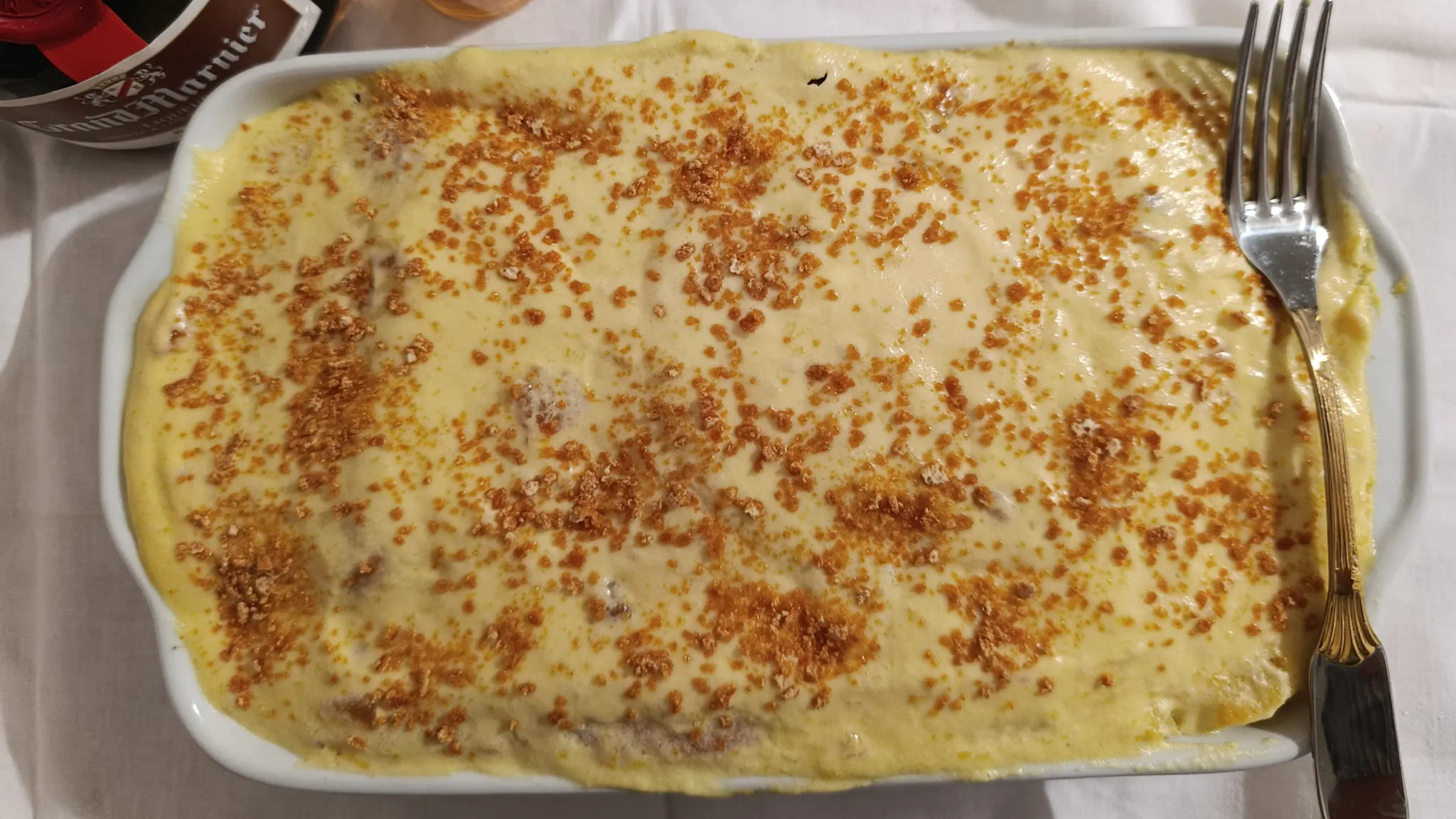
Orange Tiramisù
A fresh, citrusy version where the creaminess of mascarpone meets the vibrant flavor of oranges.
DifficultyEasy
Preparation time10m
Cooking time20m
Servings6
€
CostMedium
Ingredients
- 12 ladyfingers (or durum wheat bread)
2–3 organic oranges (juice and peel)
150 ml water
80 g sugar
400 g mascarpone
5 eggs
Orange paste or marmalade
1 small glass of orange liqueur (e.g. Grand Marnier)
Dried orange powder (optional)
Method
- Peel the oranges.
- Squeeze the oranges and collect the juice.
- Place the water in a small saucepan with 80 g of sugar, the orange juice, and the peels.
- Bring to a boil, then turn off the heat and let it rest for a few minutes.
- Strain the liquid and reduce it over the heat.
- Let the reduced juice cool.
- Arrange the ladyfingers in the baking dish.
- Add the liqueur to the reduced juice.
- Soak the ladyfingers (and the bread, if used) with the reduced juice.
- Crack the eggs and separate the whites from the yolks.
- Whip the egg whites until stiff peaks form.
- Beat the yolks with the remaining sugar until light and fluffy.
- Add the mascarpone and mix until smooth and creamy. Add the orange paste or marmalade and mix well.
- Place a few small dollops of orange paste over the ladyfingers (and/or bread).
- Pour the cream mixture over the ladyfingers, covering them completely.
- Refrigerate for at least 3–4 hours.
- Before serving, top with dried orange powder or dried orange slices.
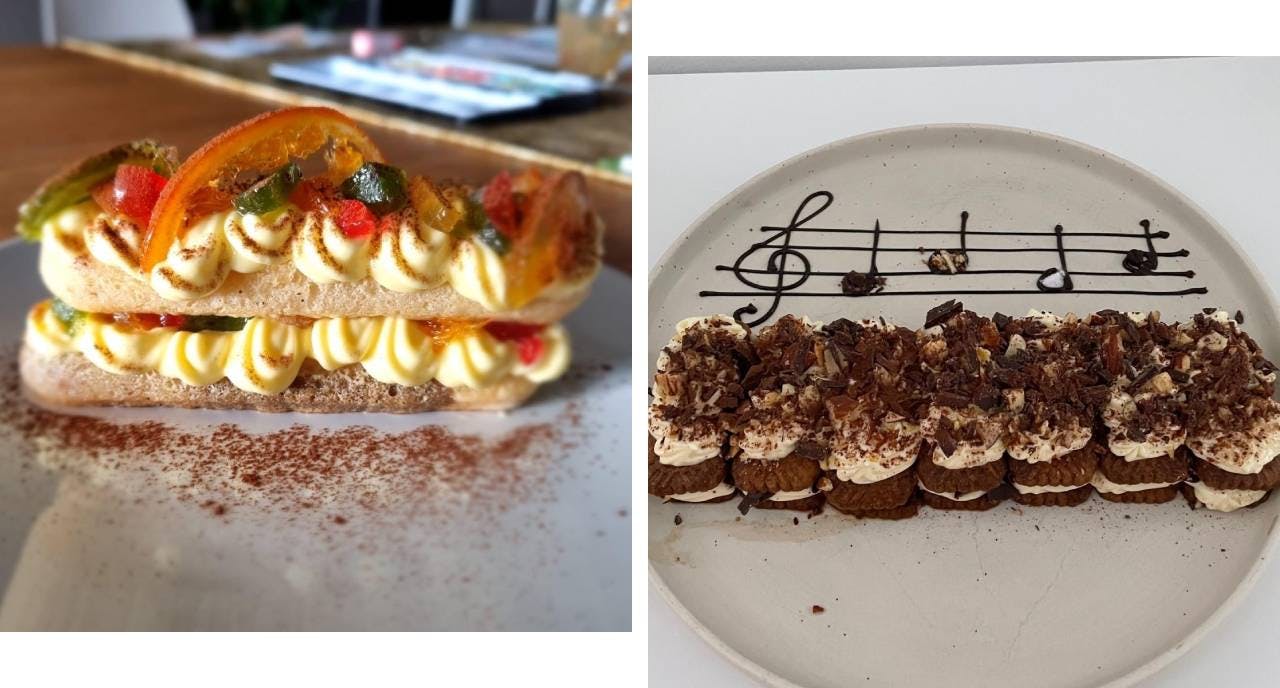
Get inspired by our Cesarine’s Tiramisù recipes
Whether you prepare it in its classic version or enjoy experimenting with more original variations, this day is the perfect opportunity to rediscover its secrets and be inspired by creativity in the kitchen. You can stick to tradition, with coffee and mascarpone just as it has always been made, or dare to try tiramisù with mostarda for an unexpected twist. And for those who love bold contrasts, there’s the Symphony of flavors, where the softness of mascarpone meets lightly salted chocolate and the crunch of toasted almonds.