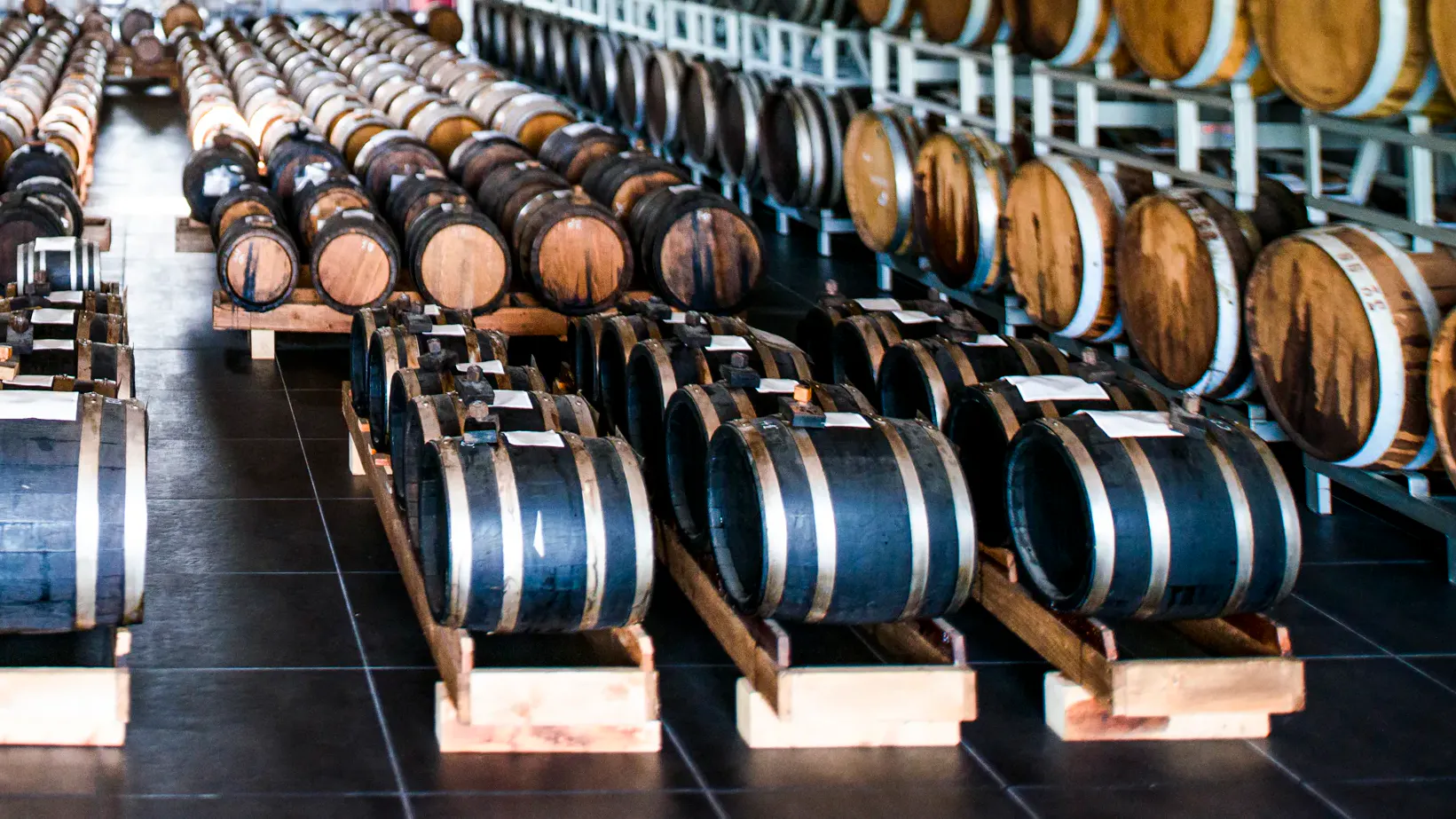
If there is one Italian product capable of transforming even the simplest dish into an extraordinary experience, it is undoubtedly Balsamic Vinegar from Modena. Balsamic vinegar is not just a condiment: it is a liquid story, a concentration of time, territory, and culture. From a simple ingredient of peasant cuisine to a symbol of gastronomic excellence recognized worldwide, today vinegar experiences a new season of charm, able to captivate chefs, enthusiasts, and travelers seeking authentic experiences.
The roots of balsamic vinegar go back to a distant past. Already in the Middle Ages, people spoke of cooked wine or fermented cooked must, used not only in the kitchen but also as a natural remedy. The term “balsamic” is no coincidence: it comes from “balsam,” indicating something beneficial, aromatic, almost medicinal. A name that tells its origin and symbolic value.
Where it is born and how it is produced: time as a key ingredient
Vinegar is born from a fascinating natural process, made of slow, invisible transformations, called double fermentation. It is a true chemical journey that starts from sugar and ends in acidity.
It all begins with a sugary raw material, such as grape must, wine, or other fermentable juices. The first stage is alcoholic fermentation: here, yeasts, natural microorganisms that “eat” the sugars present in the liquid and transform them into alcohol, come into play. It is the same process that produces wine.
Next comes the second, decisive transformation: acetic fermentation. This second fermentation occurs when the liquid comes into contact with air: here, acetic bacteria intervene, particularly Acetobacter. These bacteria use oxygen to convert alcohol into acetic acid, the substance that gives vinegar its characteristic sharp taste.

Cesarine Experiences Dedicated to Balsamic Vinegar
Discover the charm of Italian cuisine’s black gold with unique experiences in historic vinegar cellars, guided tastings, and traditional workshops!
Partner Offer
Food & Wine Tours
Modena: Matching balsamic specialtiesHosted by Società Agricola Acetomodena s.s.
Modena
€40 per guest
Shared Experience
Partner Offer
Food & Wine Tours
Modena: Immersion in balsamic specialtiesHosted by Società Agricola Acetomodena s.s.
Modena
€30 per guest
Shared Experience
4.9 (29)
Food & Wine Tours
From the Giusti Acetaia to the Table with a CesarinaHosted by Maria Luisa
Modena
€169 per guest
Shared Experience
5 (1)
Food & Wine Tours
Emilia Tasting Tour: Parmigiano Reggiano and Balsamic VinegarHosted by Davide
Parma
€94 per guest
Shared Experience
Not all vinegars are the same
Traditional Balsamic Vinegar of Modena DOP: the great excellence
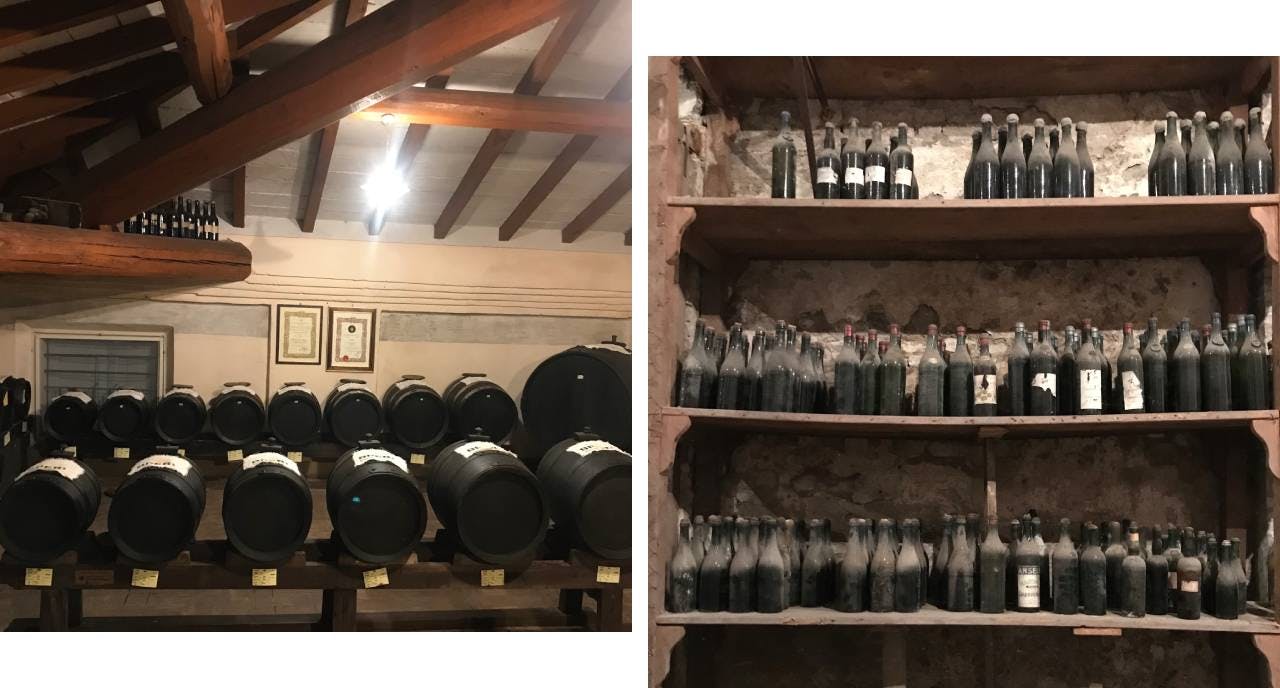
Traditional Balsamic Vinegar of Modena DOP is the oldest and most prized form. It is made with only one ingredient: cooked grape must, without any additives. The must is slowly cooked and then aged in a series of barrels made from different woods (oak, chestnut, cherry, juniper, and mulberry), each contributing to a unique aromatic profile.
Every year the liquid is transferred from one barrel to another in an aging process that lasts at least 12 years, reaching up to 25 years for the extra-aged version.
The Protected Designation of Origin (DOP) was recognized by the European Union on April 17, 2000, officially protecting this traditional production.
Balsamic Vinegar of Modena IGP: versatility and global reach
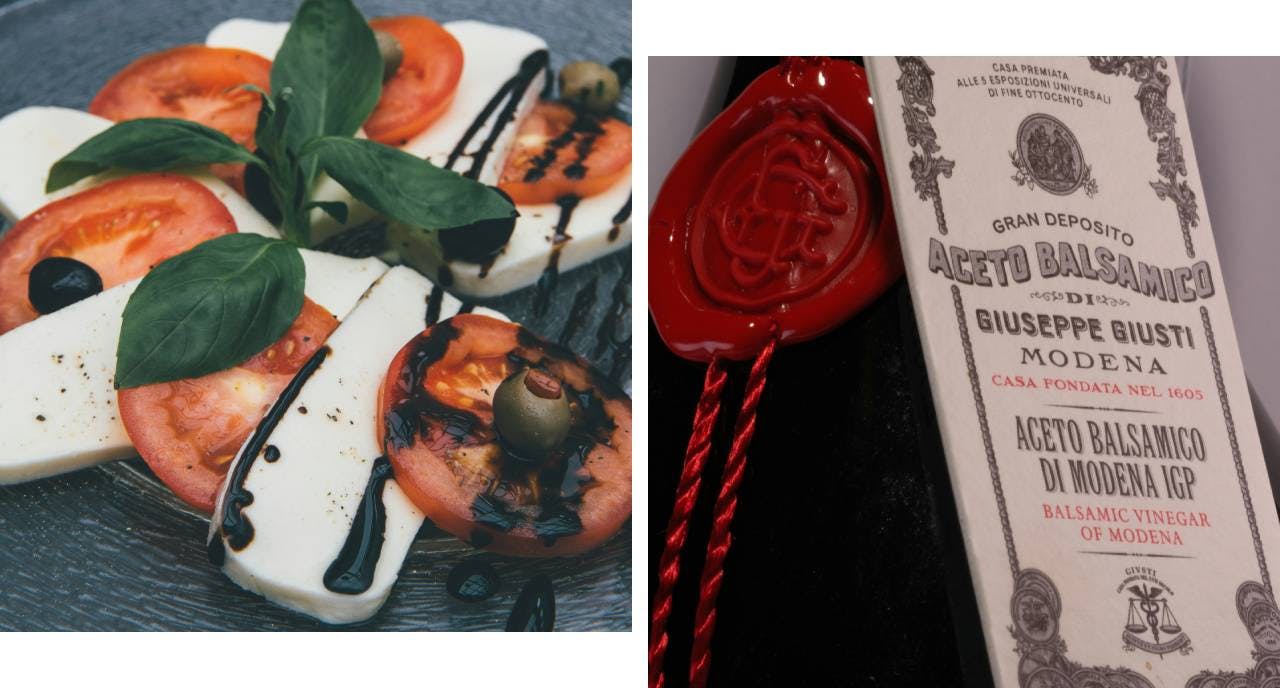
More widespread and versatile is Balsamic Vinegar of Modena IGP. It is made from cooked must and wine vinegar and is aged in wooden barrels using more modern techniques. Modena IGP vinegar has a minimum aging of 60 days, and to carry the “aged” label it must age at least 3 years.
It is more affordable in terms of price but maintains a strong connection with its territory. The IGP certification was recognized by the European Commission on July 5, 2009, significantly contributing to its international market positioning.
The Spilamberto Consortium: guardian of a tradition
At the heart of it all is the Consortium for the Protection of Balsamic Vinegar of Modena, based in Spilamberto, province of Modena. This organization plays a fundamental role: it monitors the process, guarantees the quality of the final product, and promotes DOP and IGP certified productions.
Thanks to these certifications, Modena balsamic vinegar competes globally alongside other great symbols of Made in Italy such as Parmigiano Reggiano DOP, Prosciutto di Parma DOP, Mozzarella di Bufala Campana DOP, and Grana Padano DOP.
A business beyond the tricolor
Today, Balsamic Vinegar of Modena is sold in over 130 countries. Every year millions of bottles leave Italy to reach shops, restaurants, and kitchens around the world. Exports represent a significant share of total revenue, and international sales are steadily growing, but the economic value does not stop at production.
Balsamic also generates significant income from food and wine tourism, and with Cesarine, it is possible to experience balsamic vinegar through visits to historic acetaie, guided tastings, and themed cooking classes dedicated to this iconic regional product.
Emilia-Romagna is increasingly chosen as a destination by those seeking experiences tied to traditional flavors.
Curiosities and new uses: much more than a condiment
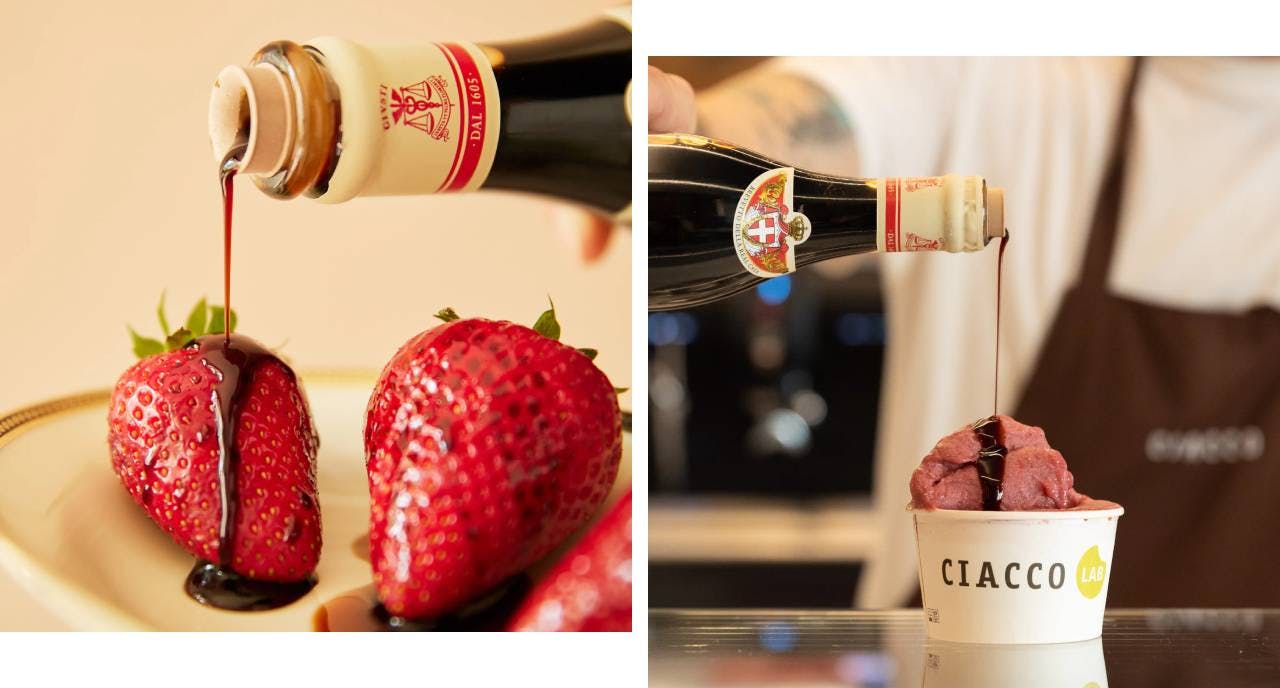
In recent years, balsamic vinegar has gone beyond meat and salad. It has become the star of refined desserts, paired with strawberries, ice cream, dark chocolate, and even cocktails.
Some bottles, especially Traditional Balsamic Vinegar DOP, are considered true collector’s items, preserved like gastronomic jewels.
Today, balsamic vinegar is not just taste: it is culture, experience, and storytelling. An ingredient that continues to evolve without ever losing its connection to its roots.