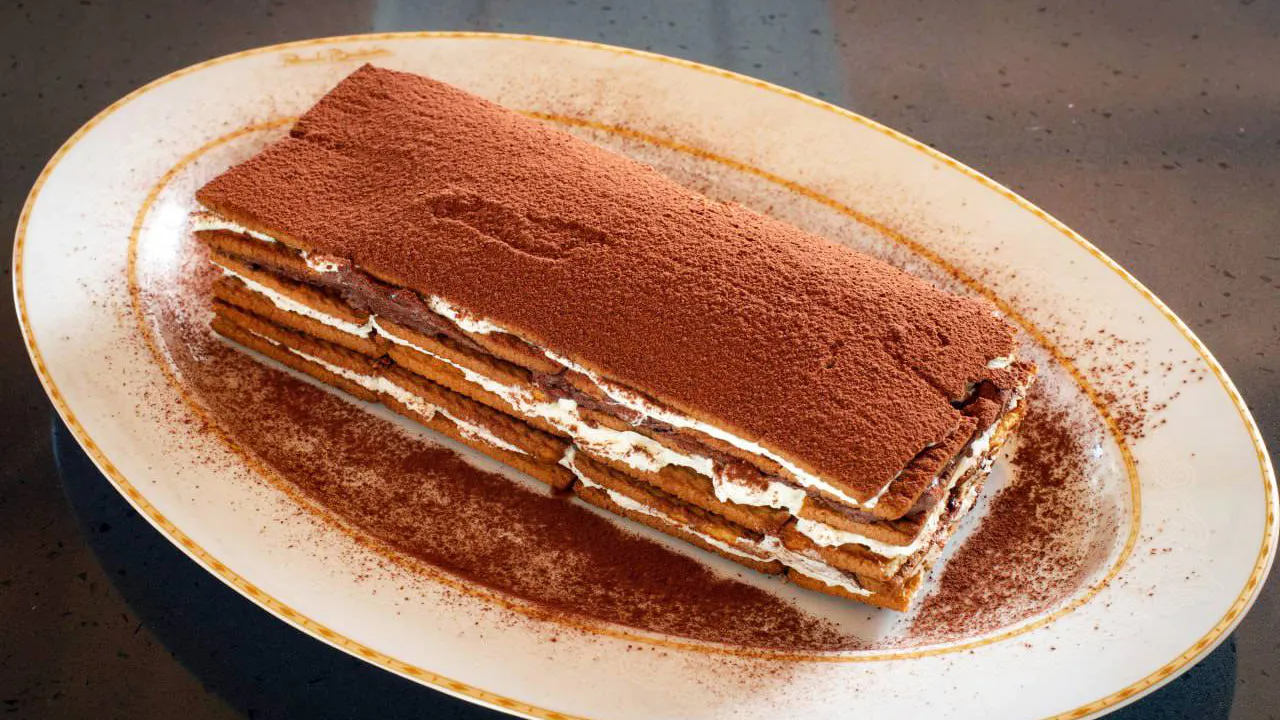
Today is February 14th, the day dedicated to love in all its forms. Valentine’s Day is the perfect moment to slow down, light a candle, and let small gestures do the talking. Preparing a dessert for someone you love is one of the most sincere ways to turn feelings into something tangible—and delicious.
Helping us choose the perfect dessert are Cesarini Fabiana and Andrea from Asti, who share their take on the ideal sweet for the occasion: Antico Mun, in their own reinterpretation.
The origins of Antico Mun
Antico Mun is a dessert rooted in Piedmont’s rural gastronomic tradition, and is particularly typical of the village of Mongardino. The name mun comes from the word “brick,” referring to its compact, layered shape, one of the defining characteristics of this dessert. Although it is unfortunately little known on a national level, Antico Mun holds an important place in Piedmont’s cultural and culinary identity.
It is considered a “humble” dessert, not in terms of quality, but because it was originally made using simple ingredients commonly found in rural homes and was designed to be nourishing.
Today, Antico Mun represents a perfect balance between tradition and sharing, qualities that make it ideal for ending a romantic dinner with a dessert that tells a story as well as delights the palate.

Antico Mun
A rustic dessert and a symbol of Mongardino’s tradition, the perfect choice to end a romantic dinner on a sweet note
DifficultyEasy
Preparation time40m
Servings10
Ingredients
- 200 g of butter
120 g of sugar
2 cups of coffee
50 g of unsweetened cocoa powder
350 g of Novellini biscuits
Rum, to taste
Method
- Whip the room-temperature butter with the sugar for at least 15 minutes, until light, fluffy, and pale.
- Divide the cream into two equal parts. Mix one half with the cocoa powder to make the dark cream.
- Take a rectangular dish and begin assembling the dessert.
- Create the first layer by quickly dipping the Novellini biscuits in the coffee and arranging them in the dish.
- Add a layer of white cream, followed by another layer of biscuits and then the dark cream.
- Continue alternating biscuits and dark cream until you have 6–7 layers, forming a brick-like shape.
- Transfer the dessert to the refrigerator and let it rest for 3–4 hours before serving.
Valentine’s Day: A Love Story That Spans the Centuries
Over the centuries, Valentine’s Day has taken on the meaning we know today, but its origins lie in a much more ancient past. The celebration of February 14th actually replaced the days of the Lupercalia, ancient pagan rites linked to fertility, marked by celebrations considered excessive and uninhibited. For this reason, the Church decided to ban them and replace them with a more restrained and chaste celebration, dedicated to Christian love. The chosen date, February 14th, coincides with the day of Saint Valentine’s martyrdom.
Little is known for certain about Saint Valentine himself. Over time, two or three different figures have been associated with his name, but the one considered most reliable is Saint Valentine of Terni, a bishop martyred in Rome in the 3rd century AD. He is credited with becoming the patron saint of lovers. According to tradition, Emperor Claudius II had forbidden soldiers to marry, believing that love made them less effective and less focused in battle. Saint Valentine, however, continued to perform marriages in secret, defying the imperial ban. For this reason, he was sentenced to death, and his execution took place on February 14th. Over time, his story became a symbol of romantic love.
Today, in many countries around the world, Valentine’s Day is celebrated through the exchange of flowers, cards, and chocolates between couples. But why not add a creative touch? What better occasion to prepare a homemade dessert to share with your partner at the end of a romantic dinner?

More Sweet Ideas for Your Valentine’s Day
Looking for inspiration to create special desserts for Valentine’s Day? Here you’ll find recipes and ideas to help make the evening truly sweet and unforgettable!
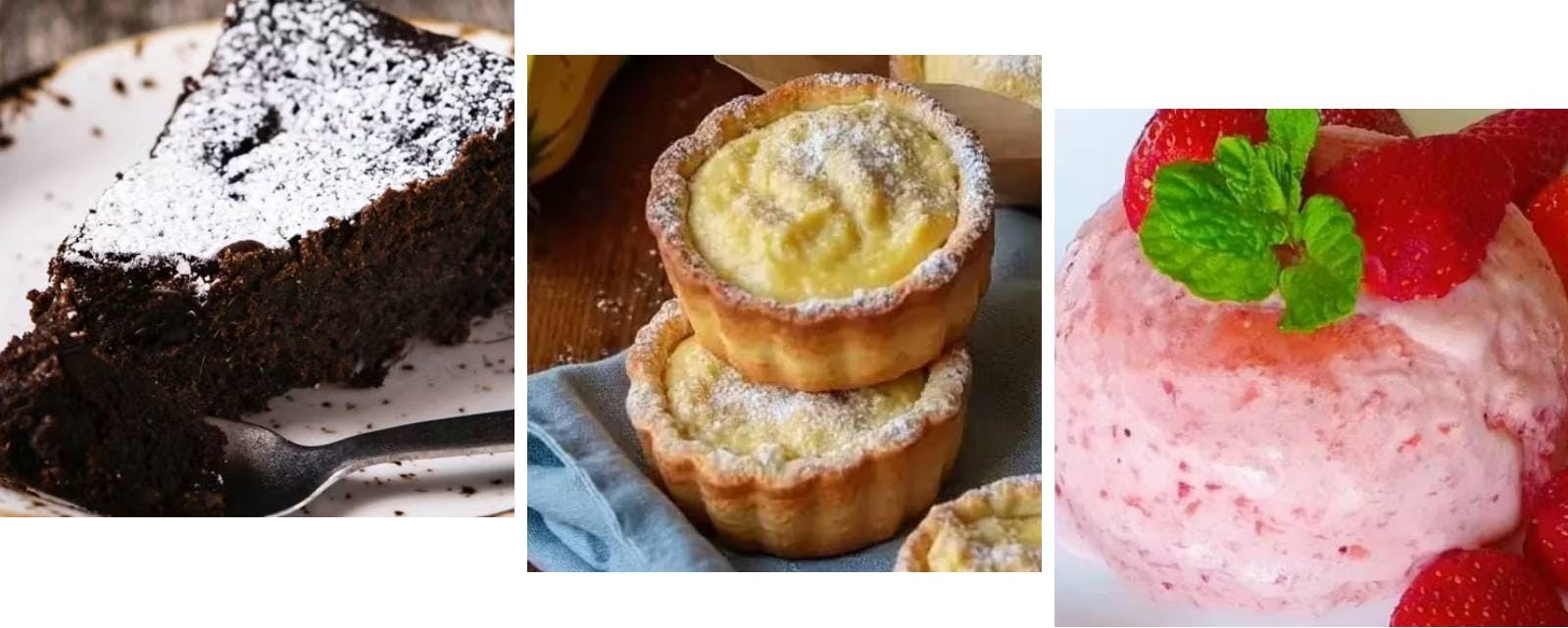
Sweet Tooth
Homemade tarts, mousses, tiramisu, regional cakes, biscuits and much more! Do you want to have fun and pamper yourself with taste because you can't resist sweet treats? Discover Cesarine's experiences and treat yourself to a moment of pure sweetness to make your day unforgettable!
5 (133)
Cooking Classes
Baked Cooking: From Sweet to Savory!Hosted by Aurora
Verona
€111 per guest
Shared Experience
5 (4)
Cooking Classes
Let's learn how to make puff pastry, tortellini and noodles!Hosted by Claudia
Bargi
€60 per guest
Shared Experience
5 (30)
Cooking Classes
Cooking class on fresh pasta and traditional dessertHosted by Fabiana e Andrea
Asti
€72 per guest
Shared Experience
5 (1)
Cooking Classes
Sweet Campania: the Annurca Apple Pasticciotto!Hosted by Patrizia
Sant'Agata de' Goti
€62 per guest
Shared Experience