There’s something magical about the scent of lemons slowly simmering in water: an intense aroma that fills the kitchen and evokes days bathed in bright sunlight.
What makes this fruit truly special is its versatility: every part — from the zest to the pulp, and even the juice — can be used creatively, becoming the star of dishes with a unique and memorable flavor.
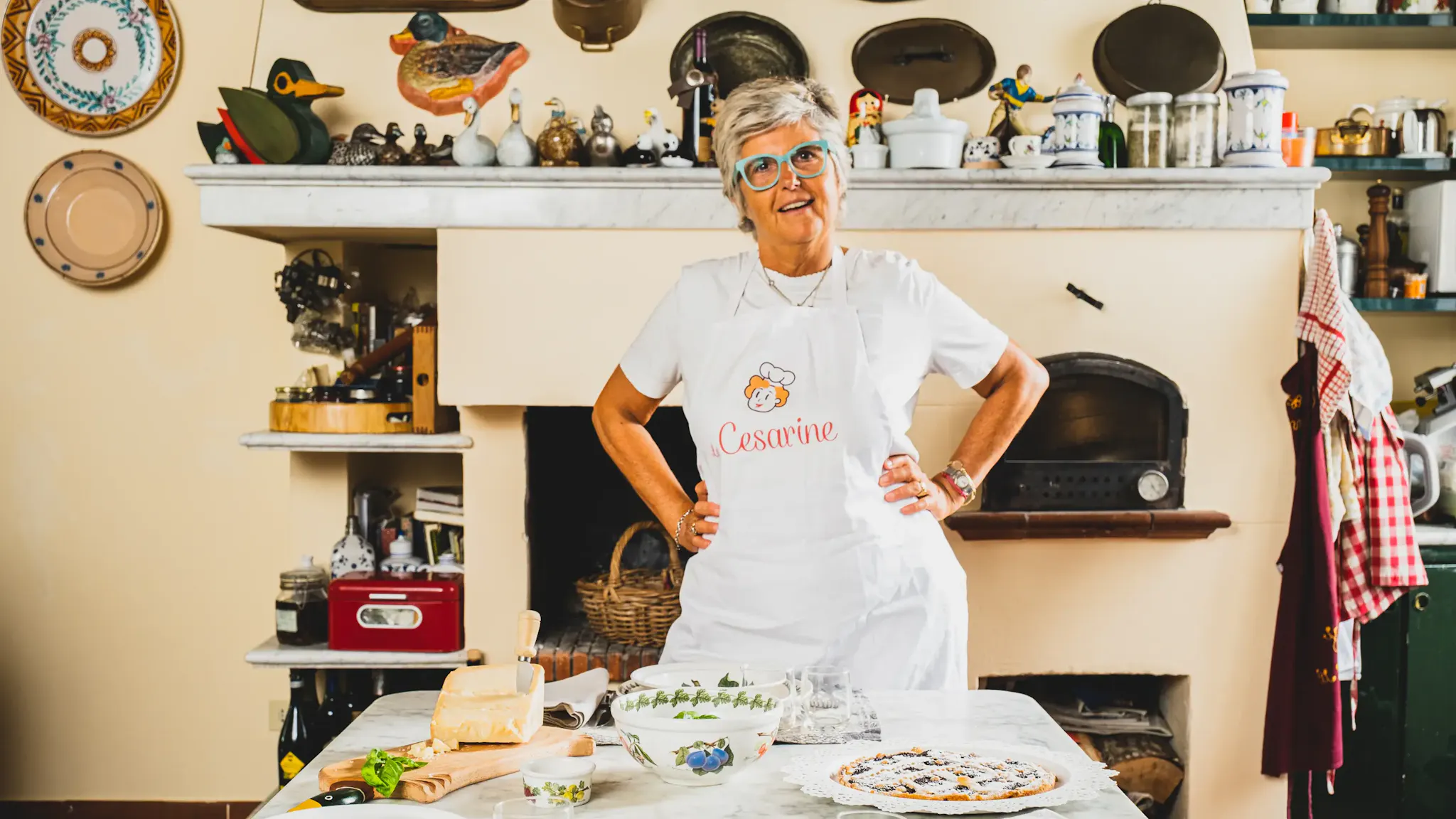
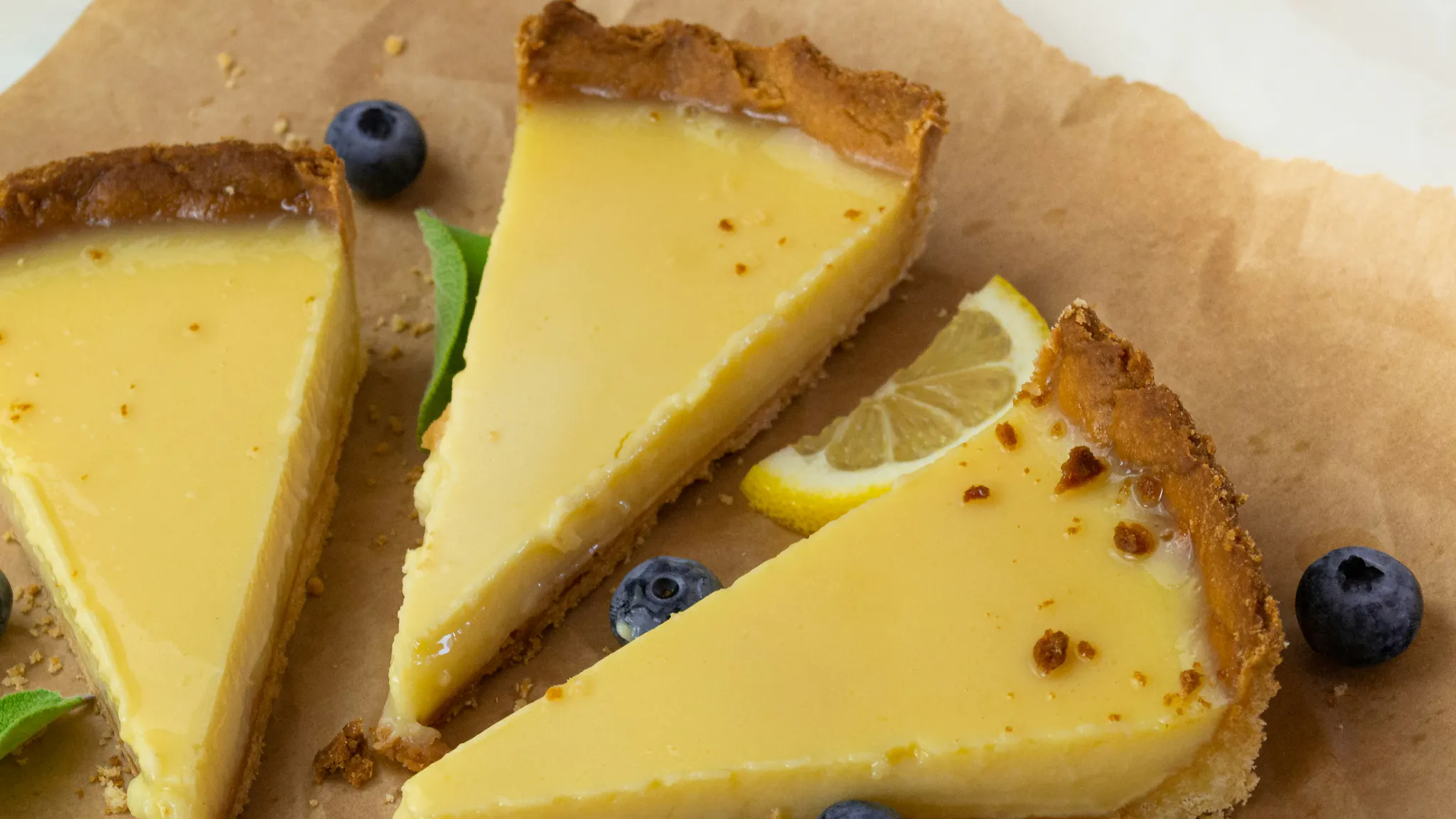
Today, our Cesarina Maria Cristina from Parma guides us through the preparation of a truly special dessert: lemon cake. An original and unique recipe in which lemon is not just another ingredient, but the true protagonist.
The zest, rich in essential oils, gives the cake a pleasant intensity, while the pulp, softened by slow cooking, lends a silky, velvety texture to the cream. In this cake, the lemon’s natural acidity is perfectly balanced with the sweetness of the other ingredients, creating a harmonious blend of unmistakable flavors. A true tribute to the taste of Italian tradition, with lemon as a cherished symbol of the Mediterranean diet.
Lemon Cake
A soft, Mediterranean-scented dessert where lemon becomes a silky, velvety cream
DifficultyEasy
Preparation time20m
Cooking time40m
€
CostLow
Ingredients
- For the shortcrust pastry:
- 250 g flour
- 150 g butter, at room temperature
- 100 g sugar
- 2 egg yolks
- 1 sachet of vanillin (or 1 tsp vanilla extract)
- Grated lemon zest
- A pinch of salt
- For the cooked lemon cream:
- 2 lemons with edible peel (preferably organic)
- 200 g sugar
- 4 eggs
- 5–6 tablespoons apricot jam
- 50 g almond flour
Method
For the shortcrust pastry:
- Place the flour in a mound on a work surface (or in a large mixing bowl).
- Add the softened butter, cut into small pieces, to the center and quickly rub it into the flour using your fingertips until the mixture becomes crumbly and sandy in texture.
- Add the sugar, egg yolks, vanillin (or vanilla extract), grated lemon zest, and a pinch of salt.
- Knead everything together quickly by hand until you obtain a smooth, even dough. Be careful not to overwork the dough, as this could make it tough once baked.
- Wrap the dough in plastic wrap and let it rest in the refrigerator for at least 30 minutes.
- After resting, roll the dough out thinly and place it in a 28 cm (11 inch) buttered and floured tart pan.
For the cooked lemon cream:
- Boil the lemons in water until they are soft.
- Once cooked, separate the peel from the pulp.
- Pass the pulp through a fine sieve and mix it with the apricot jam.
- Finely chop the peel and combine it with the almond flour.
- In a separate bowl, beat the whole eggs with the sugar until light and fluffy, then add the lemon peel and almond flour mixture.
To assemble:
- Spread the lemon juice and apricot jam over the base of the shortcrust pastry.
- Then pour over the cream made with eggs, lemon peel, and almond flour.
- Bake in a preheated oven at 170°C (340°F) for 40 minutes.
Lemon: A Symbol of Energy and Italian Tradition
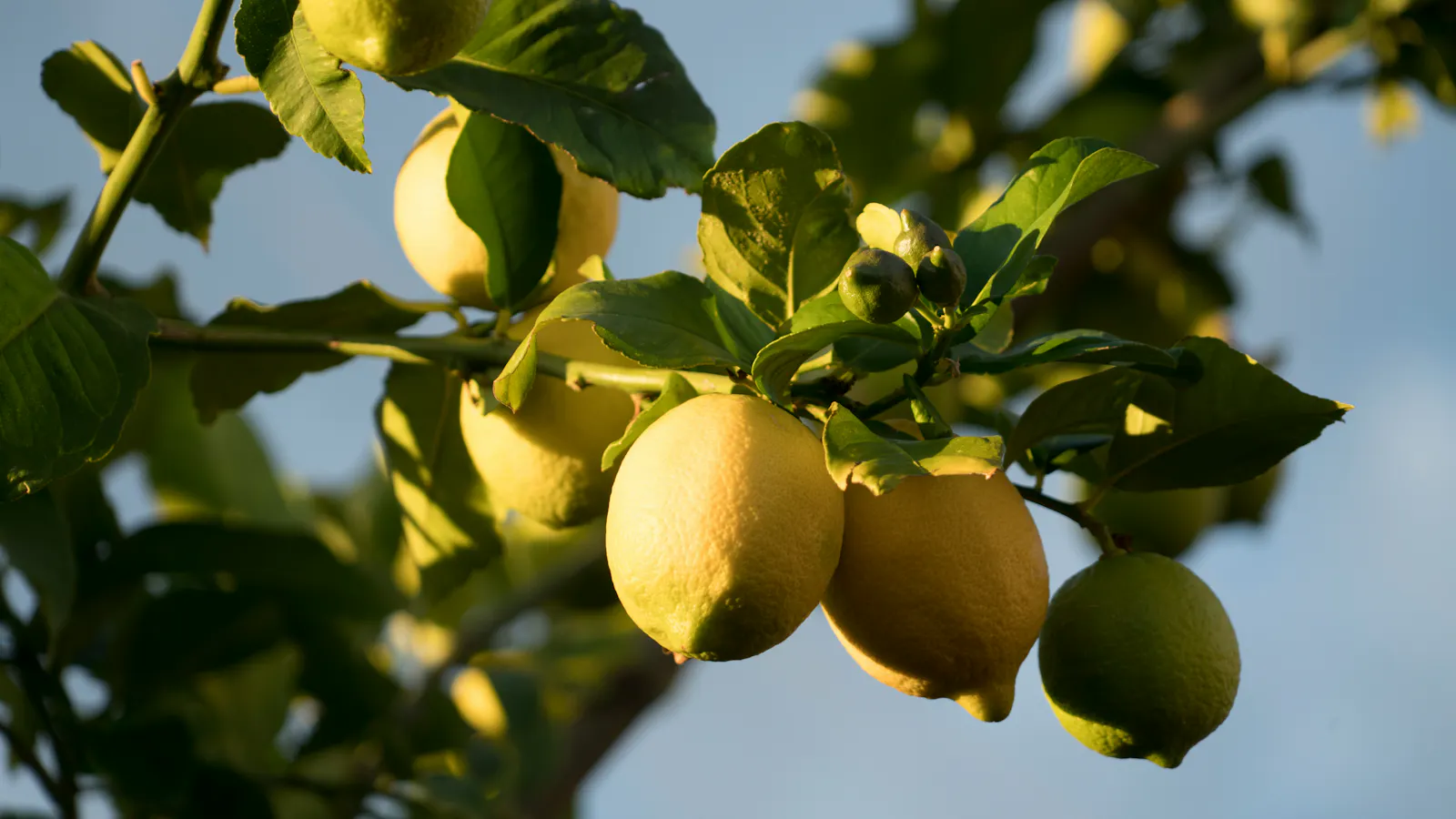
The lemon is a fruit that embodies light, sunshine, and all the beauty of the Mediterranean.
Since ancient times, it has been regarded as a powerful ally for health: thanks to its antiseptic and revitalizing properties, it was used not only in cooking but also as a natural remedy. In the past, it was even believed to be an antidote to poisons, which is why it became a symbol of protection, healing, and rebirth.
This citrus fruit is instantly recognizable by its bright yellow color, often seen as a symbol of sunlight and warmth.
Its history has been intertwined with the Mediterranean for centuries, especially with Italy, where it found the perfect environment to thrive after being introduced by the Arabs around the year 1000.
Flowering and bearing fruit almost all year round, the lemon has over time become a symbol of energy and vitality, as well as a constant presence in our cuisine and in the landscapes of Italy’s warmest regions.

Sweet Tooth
Homemade tarts, mousses, tiramisu, regional cakes, biscuits and much more! Do you want to have fun and pamper yourself with taste because you can't resist sweet treats? Discover Cesarine's experiences and treat yourself to a moment of pure sweetness to make your day unforgettable!
5 (133)
Cooking Classes
Baked Cooking: From Sweet to Savory!Hosted by Aurora
Verona
€111 per guest
Shared Experience
5 (4)
Cooking Classes
Let's learn how to make puff pastry, tortellini and noodles!Hosted by Claudia
Bargi
€60 per guest
Shared Experience
5 (30)
Cooking Classes
Cooking class on fresh pasta and traditional dessertHosted by Fabiana e Andrea
Asti
€72 per guest
Shared Experience
5 (1)
Cooking Classes
Sweet Campania: the Annurca Apple Pasticciotto!Hosted by Patrizia
Sant'Agata de' Goti
€62 per guest
Shared Experience